Selling
How to Make Your House Stand Out When Buyers Have More Choice.
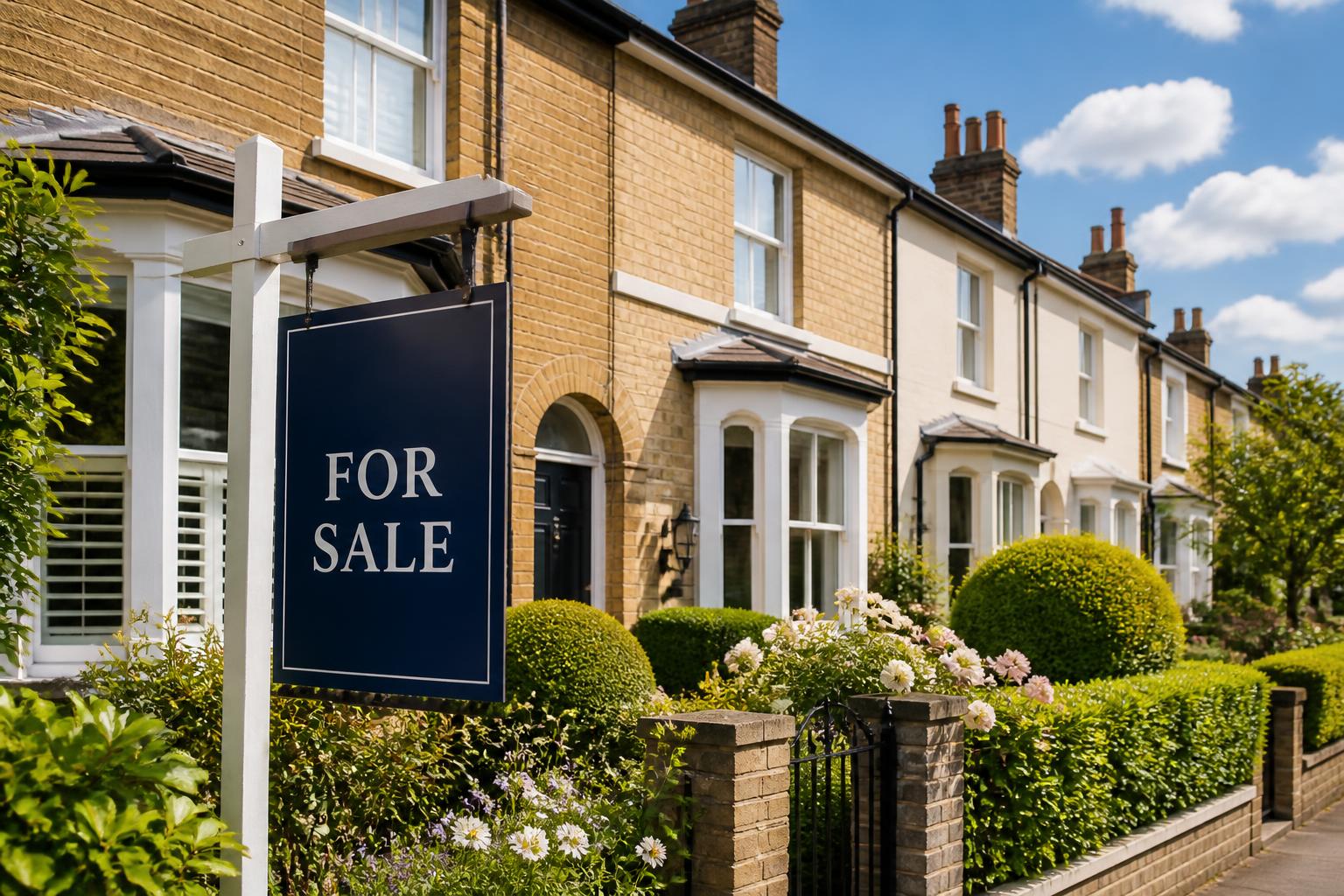
There is a lot of talk about a difficult housing market. But difficult doesn't mean nobody is buying — what has changed is that many buyers now have far more choice.
So the question isn't only: “Is my house good enough?” It's: “Does my house make a strong enough case for itself compared with everything else this buyer could choose?”
Getting onto Rightmove isn't the same as standing out on Rightmove
Rightmove has reported the highest number of homes available for sale for this time of year in more than a decade, while Zoopla has also recorded increased supply alongside fewer sales being agreed than a year earlier. A buyer who might once have been choosing between five suitable properties may now have considerably more to consider.
Once a property goes live, sellers often understandably feel that the marketing has begun. But being available online and being genuinely competitive online are not quite the same thing.
Buyers can move through listings incredibly quickly. At first, they know very little about your home. They don't know how lovely the garden feels in the evening. They don't know how useful the layout is for family life. They don't know why a particular room works much better in reality than it appears at first glance. They only know what the marketing communicates.
That means the overall impression of the property matters enormously. The photography, presentation, floorplan, description, price and positioning all work together to answer one very simple buyer question:
“Do I want to know more about this one?”
Your property is being compared with others constantly
One of the most useful changes of perspective for a seller is to stop looking at their home by itself. Buyers don't. They are comparing it with other properties within their budget and search area. That comparison might involve space, condition, location, layout, garden, parking, character, potential or simply the overall feeling of value.
And that competition doesn't stand still. New properties appear. Others reduce their prices. Some sell. The home that looked extremely competitive when it first came to market may find itself in a very different position several weeks later.
Understanding where your property sits within that changing picture is an important part of selling well.
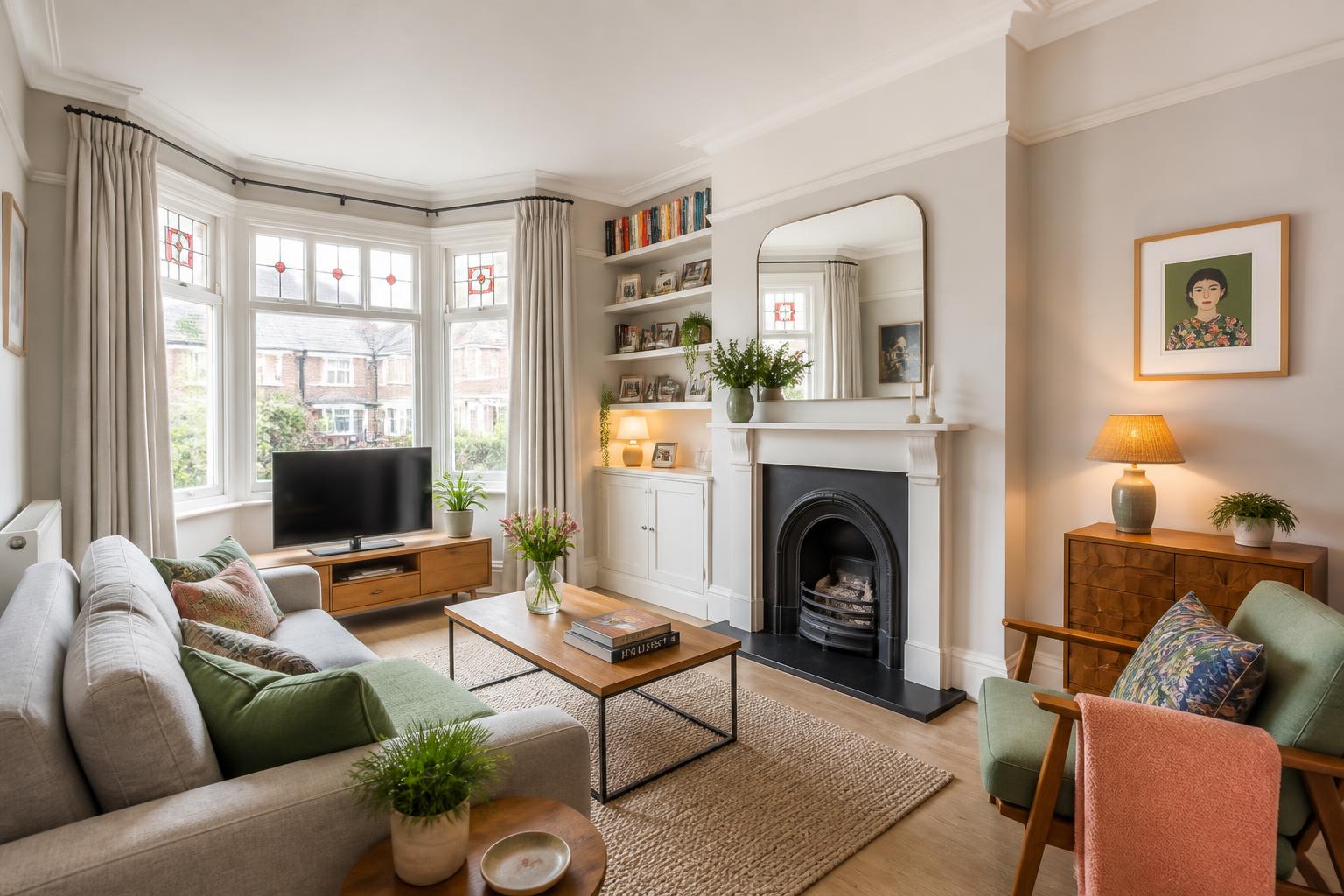
Presentation is about helping buyers understand the property
People often hear “presentation” and imagine expensive staging, redecorating every room or making a house look like a magazine. That isn't necessarily the point. Good presentation is really about helping the right buyer understand what the property offers.
Sometimes a home's best features are immediately obvious. Sometimes they aren't. Perhaps there is more space than the photographs suggest. Maybe the layout works particularly well for a certain type of buyer. Perhaps there is potential that is difficult to visualise. Or there may simply be aspects of the property that aren't being communicated as strongly as they could be.
The aim isn't to disguise the home or make it something it isn't. It's to show the best version of what is genuinely there.

Not every improvement is worth making
This is where sellers can easily spend money in the wrong places. Once a house has been sitting on the market, almost everything starts to look like a possible problem. Should you redecorate? Change the flooring? Improve the garden? Update the kitchen?
The danger is solving something that was never actually preventing the sale. Some small changes can make a significant difference. Others might cost thousands without changing how buyers perceive the property at all.
There isn't a universal list of improvements every seller should make. What is worth doing depends on the property, the likely buyer, the price point and what is currently making the home less competitive. That is why understanding the problem should come before choosing the solution.
Marketing should communicate what makes the property worth viewing
Every home has things that make it more appealing to a particular buyer. Sometimes it's obvious — a large garden, a great kitchen or a particularly attractive location. Sometimes the strongest selling points are more subtle.
The important thing is that the marketing doesn't make buyers work too hard to discover them. A property listing should help someone quickly understand what the home offers and why it may deserve a place on their viewing shortlist. And if the strongest parts of a home are being lost within the marketing, that is worth addressing.

Price and presentation work together
A beautifully presented property can still struggle if buyers don't feel it represents good value. Equally, reducing a property doesn't always solve the problem if there are other reasons buyers aren't responding to it.
Price is part of the overall proposition. When buyers have lots of options, they're effectively asking:
Your house doesn't necessarily need to be the biggest, newest or cheapest. But the combination of price and what it offers needs to make sense.
“What gives me the most of what I want for the money I have?”
Your estate agent should have a strategy
A good estate agent can be extremely valuable when you're selling. And in a competitive market, the conversation shouldn't end at “It's quiet at the moment.”
If a property isn't generating the expected response, there should be some thought around why, what the available information is telling you and whether anything should change. That doesn't mean constantly altering the listing or reducing the price. Sometimes maintaining course is entirely reasonable.
The important thing is understanding the reasoning behind the strategy rather than simply waiting and hoping.
You don't need every buyer to want your house
This can get lost when a property isn't selling. The aim isn't to make every person who sees your property like it. That's impossible. Some buyers won't want the location. Others won't like the style. Someone will want a bigger garden. Someone else will want a smaller one.
You don't need everybody. You need the property to connect strongly enough with the right buyer — which means understanding who that buyer is likely to be, what matters to them and whether the way the property is currently being positioned allows them to see its value.
A more competitive market is something you can work with
You can't control mortgage rates. You can't control the economy. And you can't control how many competing homes appear for sale next week.
But a tougher market doesn't make sellers powerless. In fact, it makes the things you can influence even more important. How effectively the property is positioned. How clearly its strengths are communicated. How it compares with the alternatives. Whether the asking price makes sense. And whether the current strategy is giving the home the best possible opportunity to find its buyer.
You don't need the market to be perfect to sell a house. You need your property to make sense within the market you've actually got.
Could your property be working harder?
When you've lived in a home for years — or stared at the same property listing for weeks — it can become difficult to see it through a buyer's eyes. Home Solved provides an independent perspective. We look at your property alongside its pricing, presentation, marketing and current competition to help identify where there may be opportunities to strengthen its position.
You don't have to make every possible change. The aim is to understand which changes are actually worth considering. If you're not yet sure whether the problem is presentation, price, marketing or something else, start with Why Isn't My House Selling? How to Work Out What's Going Wrong.

You don't need the market to be perfect to sell a house. You need your property to make sense within the market you've actually got — and that's something you can influence.
Talk to usKeep reading