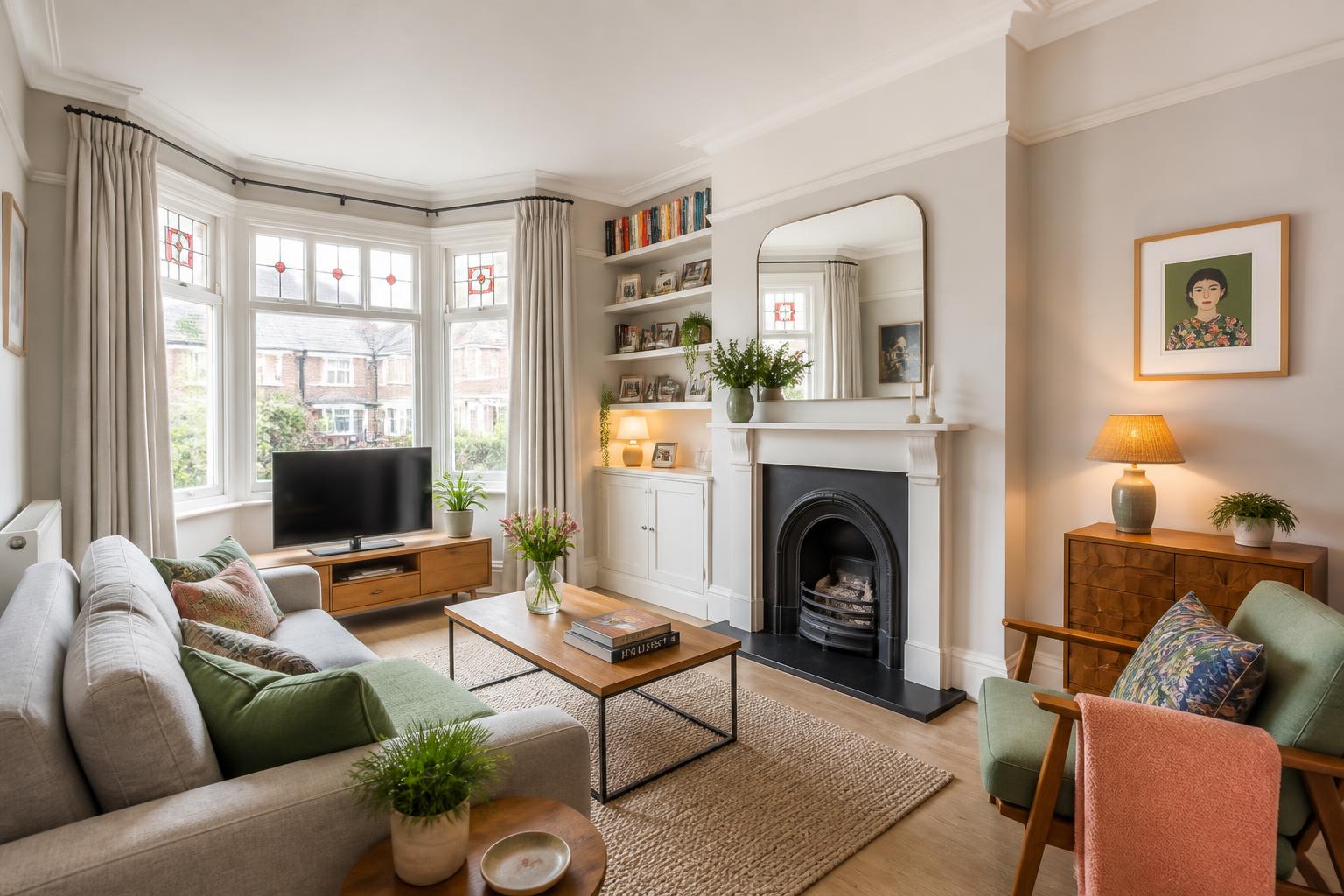
Selling
Why Isn't My House Selling? How to Work Out What's Going Wrong.
If your house has been on the market for weeks or months without the interest you expected, it can become increasingly difficult to know what to do next.
Before reducing the price, changing estate agents or spending money on improvements, it helps to understand what may actually be holding the sale back.
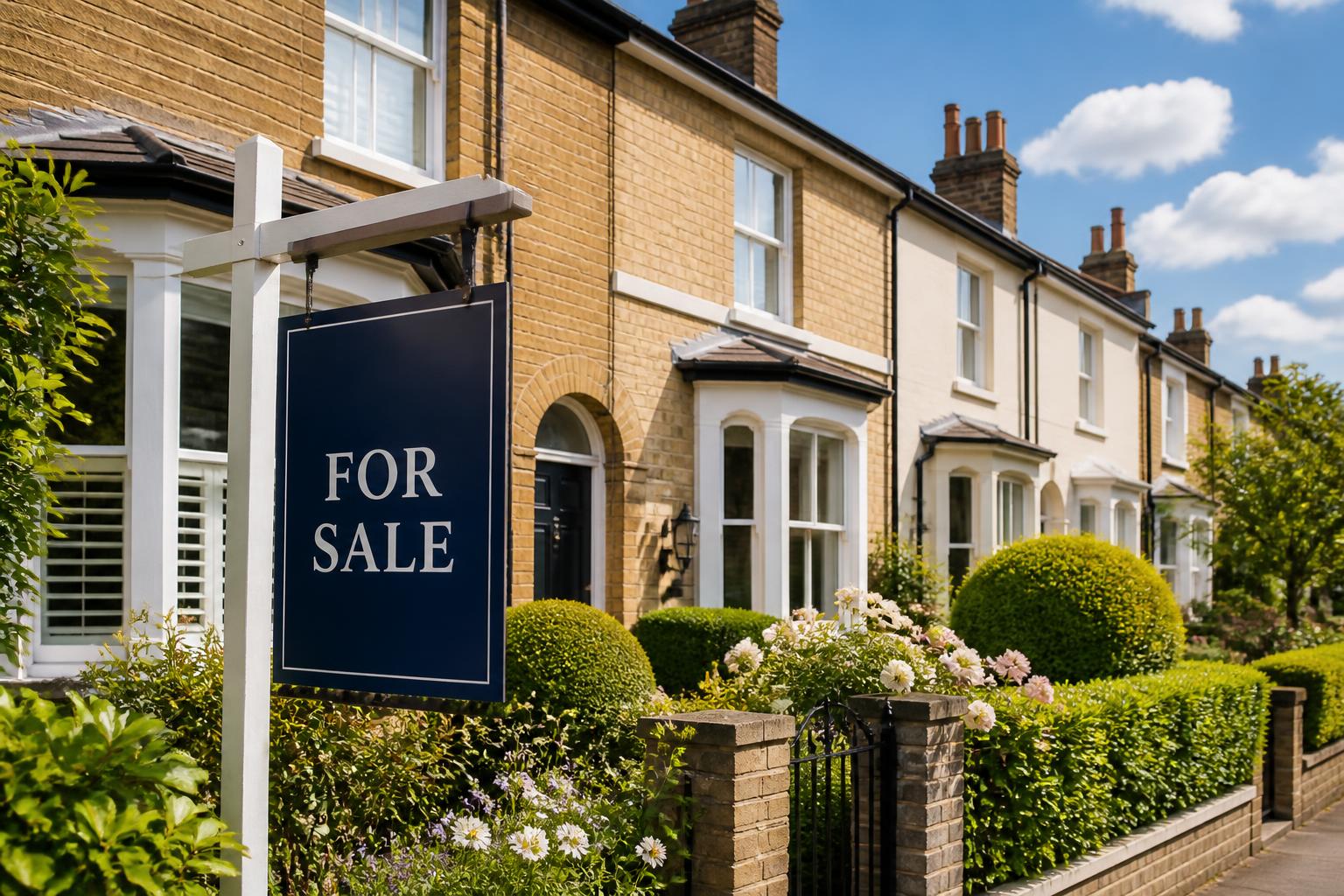
Is the property market making it harder to sell?
Is the asking price wrong? Is your estate agent doing enough? Is something about the property putting buyers off? Or is it simply a more difficult market? Usually, there isn't one universal answer.
There is no question that sellers are operating in a more competitive environment.
UK house-price growth has slowed, mortgage affordability has become more difficult and buyers have considerably more properties to choose from than they have had in recent years.
Rightmove reported that the number of homes available for sale had reached a 12-year high for the time of year, while Zoopla also reported more properties for sale alongside fewer sales being agreed than a year earlier.
That doesn't mean buyers have disappeared. It means they can afford to be more selective. And that creates an important distinction.
Instead of asking “Why is nobody buying?”, it may be more useful to ask: “Why might buyers be choosing another property instead of mine?”
That's a very different problem — and one that gives sellers far more to work with.
Not every slow sale has the same cause
Two properties can both have been sitting on the market for three months and have completely different problems.
One may barely be attracting any interest online. Another may be generating plenty of viewings but no offers. Another may receive offers, but consistently below the seller's expectations.
Those situations shouldn't automatically receive the same solution.
How buyers are responding to the property can often give useful clues about whether the issue lies with pricing, marketing, presentation, the property itself or a combination of several factors. This is where stepping back and looking at the whole picture becomes important.
Is my house overpriced?
Price is inevitably part of the conversation when a property isn't selling. But it is also one of the hardest things for an owner to assess objectively.
Your home may contain years of memories and investment. You know what you've spent improving it and you may already know exactly how much you need from the sale to make your next move possible. The market doesn't see those things in quite the same way.
Zoopla research found that 44% of homes listed during the previous three years failed to sell. Among sellers who didn't achieve a sale, more than a third later felt that their original asking price had been too high.
Interestingly, some sellers also admitted that the price they wanted was influenced by how much they needed for the property they hoped to buy next. It's understandable.
But what you need from your sale and what today's buyer believes the property is worth are not always the same number.
That still doesn't mean every slow sale needs an immediate price reduction. A property's asking price should be considered alongside everything else affecting its appeal.
What you need from your sale and what today's buyer believes the property is worth are not always the same number.
Is the estate agent the problem?
When a sale stalls, changing estate agents can feel like the most obvious way to create some momentum. Sometimes it is the right decision. But it is worth understanding what you actually expect to change.
A different estate agent may bring a fresh strategy, different experience, stronger marketing or a different approach to buyers.
Equally, if the underlying positioning of the property remains unchanged, simply moving the listing elsewhere may not solve the real problem.
The important question isn't simply “Should I change agent?” It is: “What needs to be different for the result to change?”
Your house is competing, not simply being advertised
This is particularly important in a market where buyers have plenty of choice.
When someone searches for a home online, they aren't considering your property in isolation. They're comparing it with everything else they could buy for a similar amount of money.
That means the asking price, the way the home is presented, the marketing and the property itself all combine to create the buyer's perception of value.
A house can be perfectly good and still struggle if that overall proposition isn't strong enough compared with its competition.
This is also why there isn't always a simple online answer to: “Why isn't my house selling?” Every property, location, price point and buyer market is different.

When your property isn't selling, your plans can feel stuck too
The emotional side of selling is easy to underestimate.
Most people aren't selling because they simply fancy putting their house on the market. Usually, something is waiting on the other side.
A bigger home. Downsizing. Moving nearer family. Relocating. A relationship change. Retirement. A property you've already fallen in love with.
So when the house doesn't sell, it can feel as though the rest of your life has been put on hold with it.
Then come the opinions. Your agent says one thing. Friends and family say another. Viewers give conflicting feedback. Neighbours tell you what another house sold for.
Eventually, you can have a great deal of information and very little clarity.
A difficult market doesn't mean your house can't sell
Properties are still selling. But when buyers have more choice, how a home is positioned matters more.
The answer might involve price. It might involve presentation, marketing or timing. Often it's a combination of smaller things rather than one dramatic change.
What matters is working out which levers actually apply to your property — before you spend money or make decisions you can't easily undo.
If your home has been sitting while others sell, it's usually a handful of small, identifiable things rather than one unsolvable problem. Working out which things — that's where an independent view helps.
Talk to usKeep reading